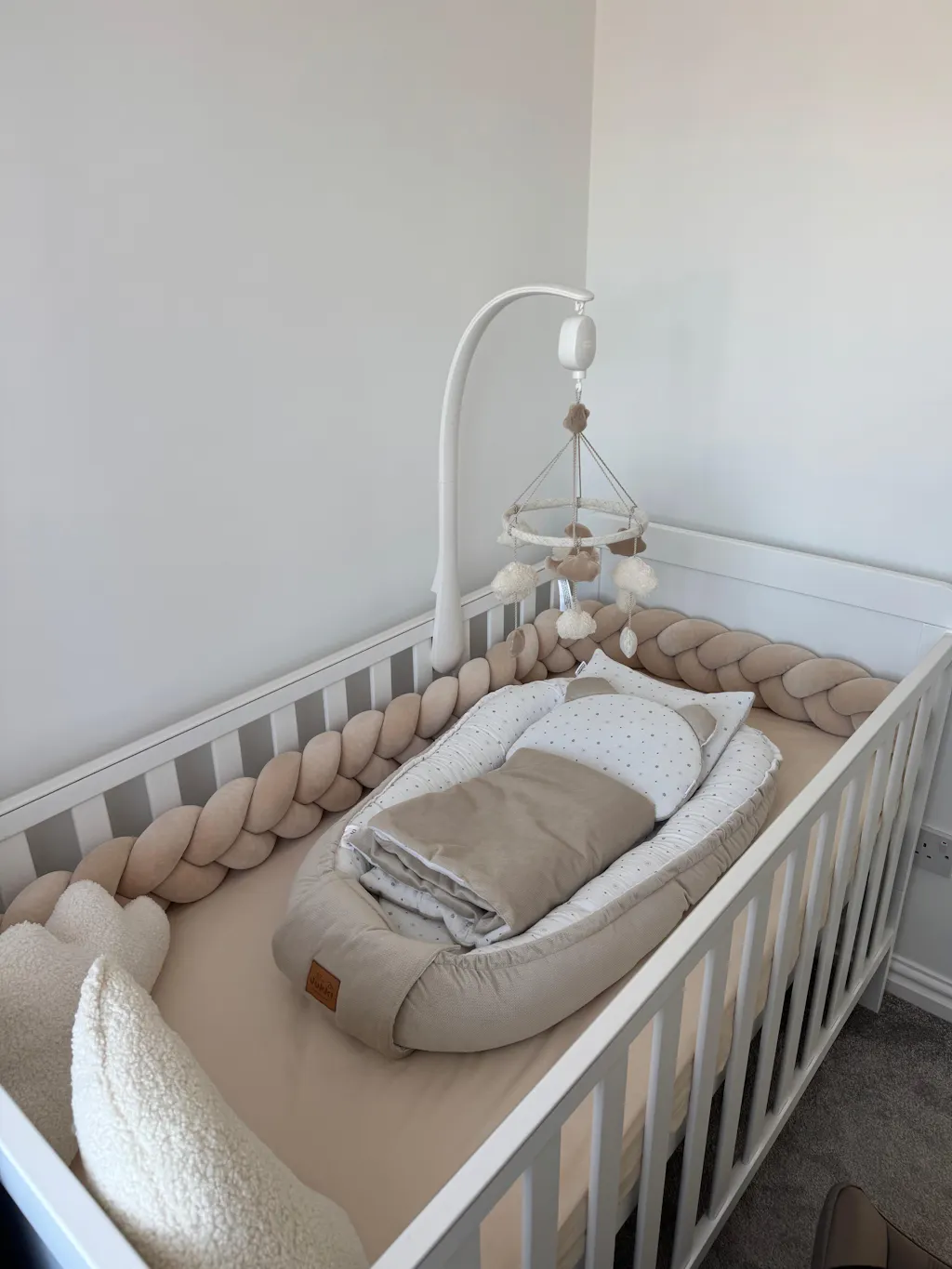

Are Cot Bumpers Safe? What You Need to Know About Plaited Cot Bumpers
When designing a safe and comfortable sleep space for your baby, many parents consider using a cot bumper. These soft barriers can help prevent little arms and legs from getting caught between cot bars and can add a stylish touch to your nursery. However, there has been growing concern about the safety of traditional cot bumpers, particularly regarding suffocation and injury risks. In this article, we'll explore the safety of cot bumpers, with a focus on plaited cot bumpers as a more modern, breathable alternative.
- Traditional padded cot bumpers are not recommended for young babies
- Plaited (braided) bumpers are often used later, for older babies or toddlers
- Breathable materials and proper use are key

1. What Are Cot Bumpers?
A cot bumper is a padded cushion that lines the inside of a baby's cot. They are typically used to prevent babies from bumping their heads or getting their limbs caught between the bars. Traditional cot bumpers usually cover the entire cot perimeter, but newer styles like plaited cot bumpers are more compact and flexible, offering a safer alternative.
2. Cot Bumper Safety: What Do the Experts Say?
There has been a lot of discussion about the safety of traditional cot bumpers. Organisations like the NHS and The Lullaby Trust recommend avoiding padded cot bumpers due to the potential risk of suffocation and accidents. Babies may roll into the bumpers and be unable to move away, leading to restricted airflow.
Plaited (braided) cot bumpers, however, plaited cot bumpers are often considered a more flexible and breathable alternative when used at the appropriate stage, especially when transitioning from a cot to a toddler bed. These bumpers are softer, more flexible, and often made from breathable materials, allowing better airflow around the sleep space. They can also help create a cosy environment for toddlers as they adjust to their new bed. Plaited bumpers are easier to adjust and secure properly, helping reduce the risk of loose bedding. When used appropriately, they provide a gentle barrier to prevent bumps during sleep, offering both comfort and safety for older children.

3. Benefits of Plaited Cot Bumpers
- Breathable: plaited bumpers are designed to allow air to circulate freely around the cot, reducing the risk of overheating.
- Protection from Bumps and Bashes: While they may not prevent all bumps, plaited cot bumpers provide a soft barrier that helps reduce the impact of your baby rolling into the cot sides.
- Multi-Functional Use: Plaited bumpers can also be repurposed as toddler bed guards, play mats, or nursery decor, making them a practical investment.
- Stylish Addition to the Nursery: Available in various colours and materials, they add a soft, cosy look to the nursery, complementing different decor styles.
You can explore our range of braided cot bumpers, available in different sizes and colours to suit your nursery.
Explore Our Braided Cot Bumpers
Soft, breathable and handmade in Europe — designed for comfort, flexibility and everyday use.
Shop Braided Cot Bumpers4. How to Use Cot Bumpers Safely
If you choose to use a plaited cot bumper, it’s important to follow some key safety guidelines to ensure your baby’s sleeping environment remains safe:
- Ensure Proper Fit: Make sure the bumper fits snugly around the cot, leaving no gaps between the mattress and the bumper. Loose or ill-fitting bumpers can pose a risk if your baby becomes trapped.
- Keep the Cot Clear: The cot should be free from loose bedding, pillows, or toys. Always use a fitted sheet on the mattress and avoid placing additional soft items in the cot.
- Secure the Bumper Well: Plaited bumpers should be securely tied to the cot, but avoid using strings or ties that could become a hazard.
- Regularly Check for Wear and Tear: As with any baby product, regularly check your cot bumper for signs of wear or damage, ensuring it remains safe for use.
5. Choosing the Right Cot Bumper
When selecting a cot bumper, it’s essential to consider the material and design. We offer a wide range of sizes, all made from soft, breathable cotton and hypoallergenic fillings. This helps keep your baby comfortable while reducing the risk of irritation.
Our plaited bumpers are designed with both safety and style in mind, offering a versatile solution that works with a range of cot sizes and layouts.

When Do Parents Choose a Plaited Cot Bumper?
Many parents choose a plaited cot bumper once their baby becomes more active and the sleep space needs a softer, more flexible boundary. They are also commonly used when transitioning to a toddler bed or creating a more defined sleep or rest area.
Unlike traditional padded bumpers, plaited designs are lighter, breathable and easier to adjust, making them a practical option for everyday use when chosen and used appropriately.
Final Thoughts
By following proper safety guidelines and choosing a high-quality, well-fitting product, you can create a safe and cosy sleep environment for your little one.
For more flexible use beyond the cot, many parents create a soft, bordered play space using braided bed cushions, giving baby more room to move while still keeping a gentle sense of boundary.
If you’re exploring options for your baby’s space, you can browse our collection of braided cot bumpers, available in a range of sizes, colours and materials.
Frequently Asked Questions
Are cot bumpers safe for newborns?
Most UK guidance advises against using padded cot bumpers for newborns due to potential risks.
Are plaited cot bumpers safer?
Plaited cot bumpers are lighter and more breathable, and are often used for older babies or toddlers when used appropriately.
When can you use a cot bumper?
This depends on your baby’s development and mobility. Many parents only consider them at a later stage rather than during the newborn period.